
ENVS 16: Redefining Scientific Ways of Knowing
This course embraces Indigenous ways of knowing alongside the ways of knowing developed by Western science. We read, discuss and most importantly, co-create a way forward toward ethical and sustainable science and economy.
We see everywhere a perception that Western science and technology is needed to measure, prove and argue for our predicament in the climate crisis. In addition, many dedicated STEM researchers work feverishly, as if in a race against the clock, to discover and advocate for solutions. This leaves us in a paradox, as the earth herself gives ever more vivid testimony that the centuries-old metaphor of “progress” epitomized by Western science is bankrupt. How then do we practice science — how do we mentor our own imperfect minds — in ways that reawaken the humanity in ourselves, leading to ethical stewardship of the living earth?
In this course, we first listen to one another to reclaim heritage. From that grounded place, we foreground multiple ways of knowing within scientific practice and surrounding it. Disciplines and genres we draw from include botany, cultural studies, economics, ethnobotany, narrative, philosophy, poetry, science and technology studies, and theater.
This course embraces Indigenous ways of knowing alongside the ways of knowing developed by Western science. We read, discuss and most importantly, co-create a way forward toward ethical and sustainable science and economy.
We see everywhere a perception that Western science and technology is needed to measure, prove and argue for our predicament in the climate crisis. In addition, many dedicated STEM researchers work feverishly, as if in a race against the clock, to discover and advocate for solutions. This leaves us in a paradox, as the earth herself gives ever more vivid testimony that the centuries-old metaphor of “progress” epitomized by Western science is bankrupt. How then do we practice science — how do we mentor our own imperfect minds — in ways that reawaken the humanity in ourselves, leading to ethical stewardship of the living earth?
In this course, we first listen to one another to reclaim heritage. From that grounded place, we foreground multiple ways of knowing within scientific practice and surrounding it. Disciplines and genres we draw from include botany, cultural studies, economics, ethnobotany, narrative, philosophy, poetry, science and technology studies, and theater.
- Teacher: Shelley Costa
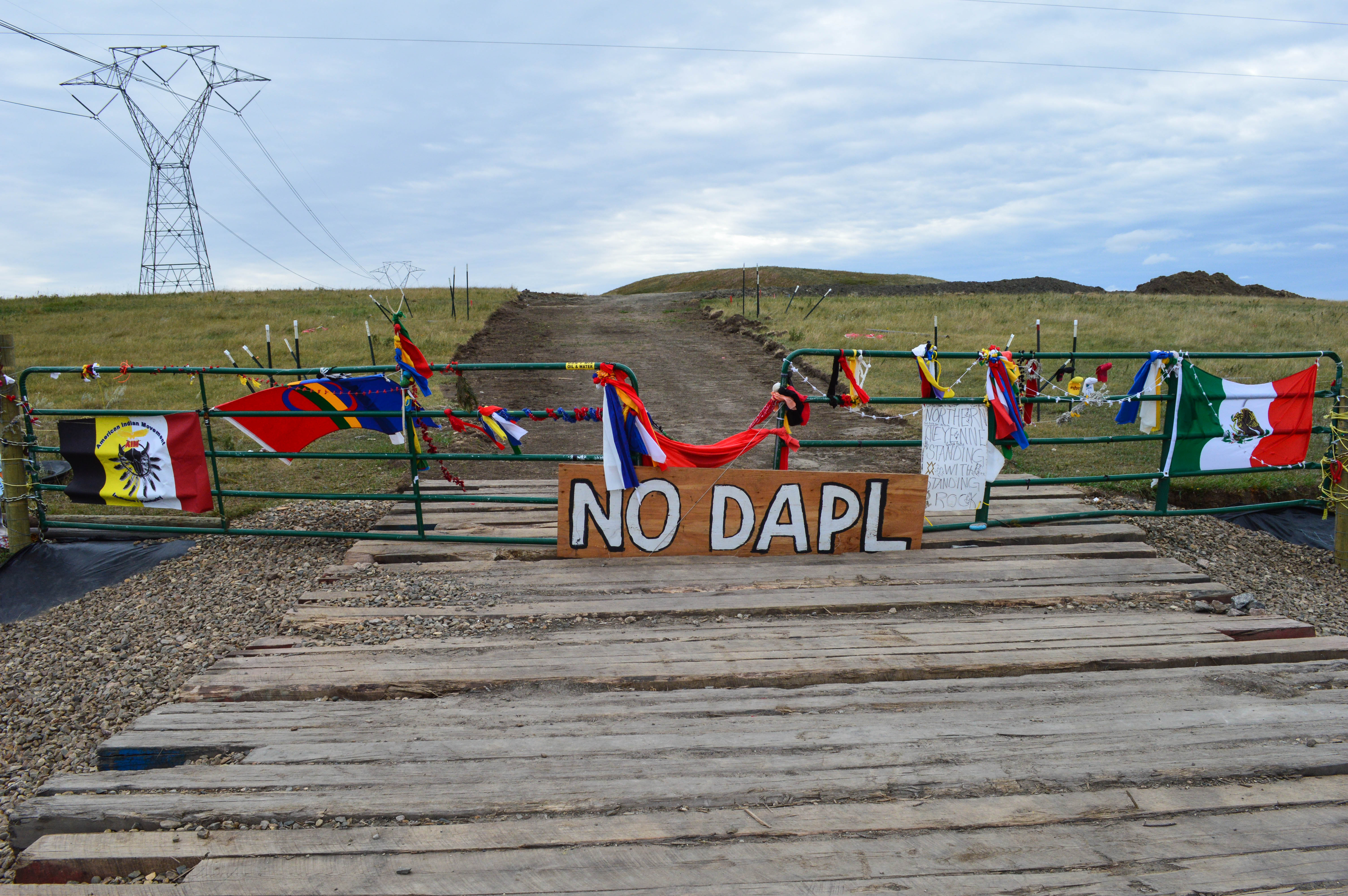
This course will provide an overview of environmental law in the United States. Students will learn about the underlying administrative law system that governs agency and regulatory action. The course will cover a variety of environmental statutes such as the Clean Air Act, Clean Water Act, Comprehensive Environmental Response, Compensation, and Liability Act (hazardous substances), and the Endangered Species Act. Students will develop analytical skills regarding the purpose of environmental law in the US and the regulatory process at the federal and state/commonwealth (e.g., PA) levels. The course will also include a discussion of environmental law from the perspective of Native American tribes.
- Teacher: Jessica Sarnowski
- Teacher: Todd Montgomery
- Teacher: Rebecca Popowsky